If you read my previous article on how I believe that continuity is killing the comic book industry, you might be a little confused reading this one. And that’s ok – because so am I. I recently got done doing a deep-dive into the Justice Society of America (JSA) starting with Roy Thomas’s Death of the JSA, and ending with the first compendium by Geoff Johns. I had attempted this about 10 years ago and couldn’t quite stick with Johns’ run as a newcomer to comic books. I got lost in the 20+ years of Post-Crisis continuity and golden age original stories. But on this read through it suddenly clicked and I was hooked from the beginning – the main difference this time being that I could see that the characters were growing and changing. I recognized Sandy the Golden Boy from the 40’s and was cheering him on when he became chairman of the JSA – because he deserved it after all these years of being second fiddle. One of the most important attributes to a good story is to have characters that change over the course of the story – but why do Superheroes stay the same? Why is Peter Parker still an ambiguous 20 something year old? When will Beast Boy become Beast Man? And when the hell are the Teenage Mutant Ninja Turtles going to become adults!? Let’s dive head first into the topic of permanent change in Super hero comics!
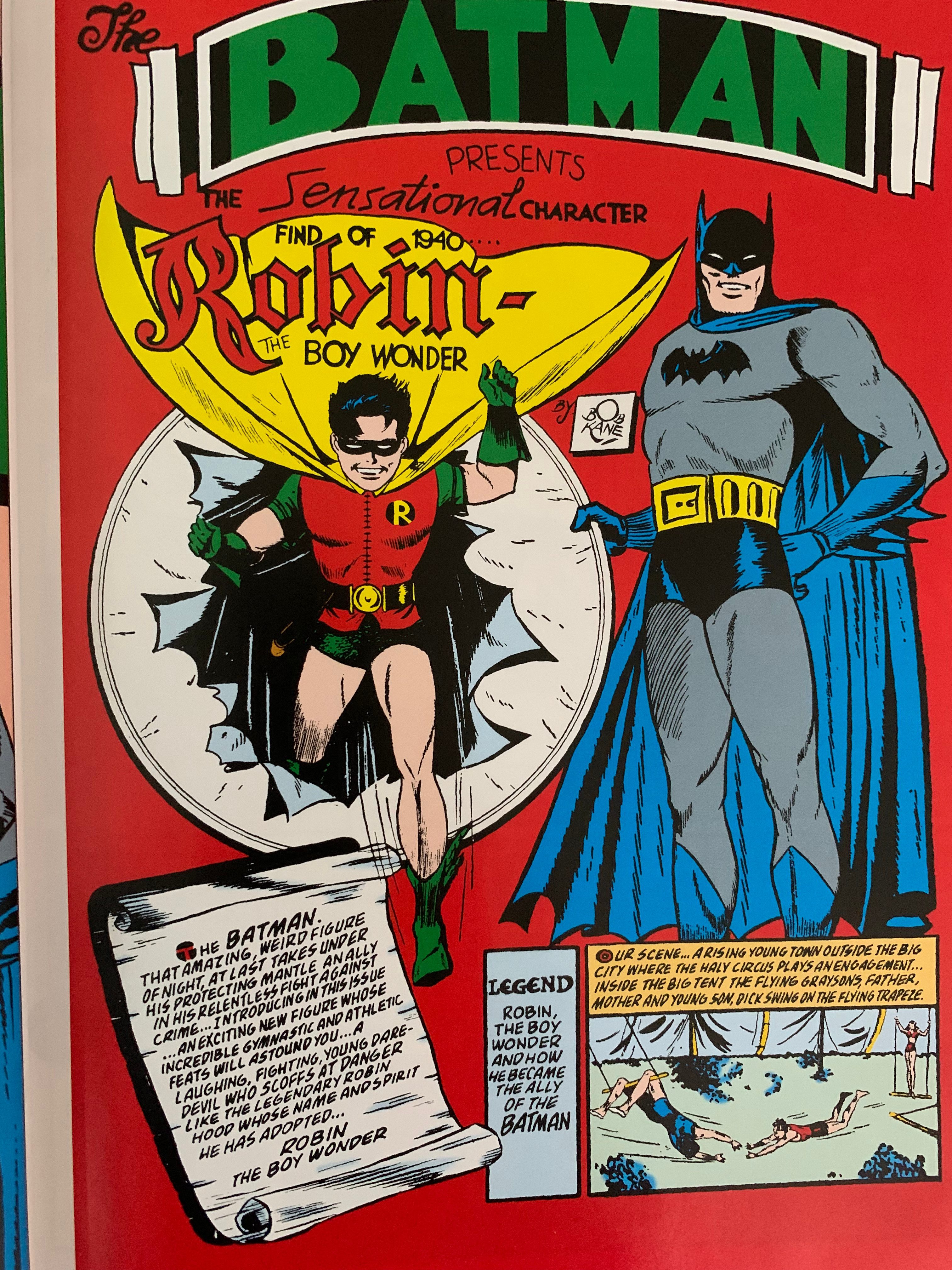
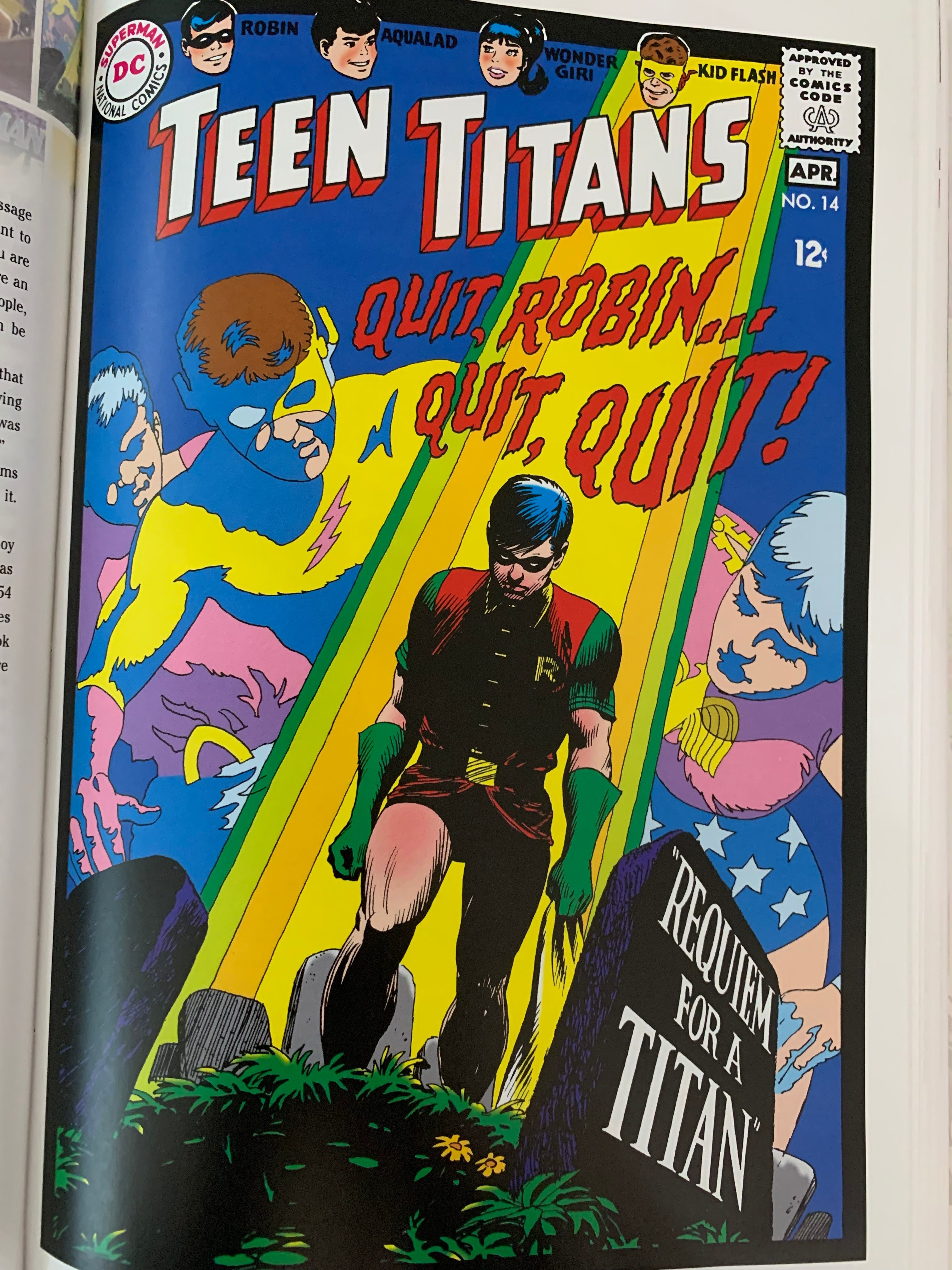
Even before the days of Sophocles and ‘Homer’, humankind knew that a good story revolved around change. In the Old Testament we have David, a weak shepherd turned giant slayer turned poet turned king (turned adulterer?), and in Oedipus Rex we have the young hero turn king and fulfill a sick prophecy. We know that Peter Jackson’s Lord of the Rings is a more well-rounded and complete story than Tolkein’s original even if we can’t quite put our finger on why. Humans are complex – they act logical and irrational, have counter desires and fight against their own interests. And superheroes, just like the Greek Heroes of which they are derived, are meant to be the epitome of what mankind can be or at least should strive to be. Superman, much like Hercules before him, represents an otherworldly being raised among humans who becomes their protector. They are the standard to which all public servants should be held. But, as much as comic books have grown and changed since the introduction of Superman, Superman has changed much less. Don’t get me wrong, Superman has the occasional crisis of faith or purpose, and for a split second he might appear to make the wrong decision, but Superman has not truly changed or grown throughout the years and years of stories. Contrast that with the character of Dick Grayson – as Robin, sidekick to Batman and foil to his wisdom and matter-of-factness – but who grew to become Nightwing, the best of not only Batman, but Superman as well. Dick Grayson is what I will be referring to as a ‘Legacy Character’ – someone who has been in comics long enough to have had a significant and permanent character change.
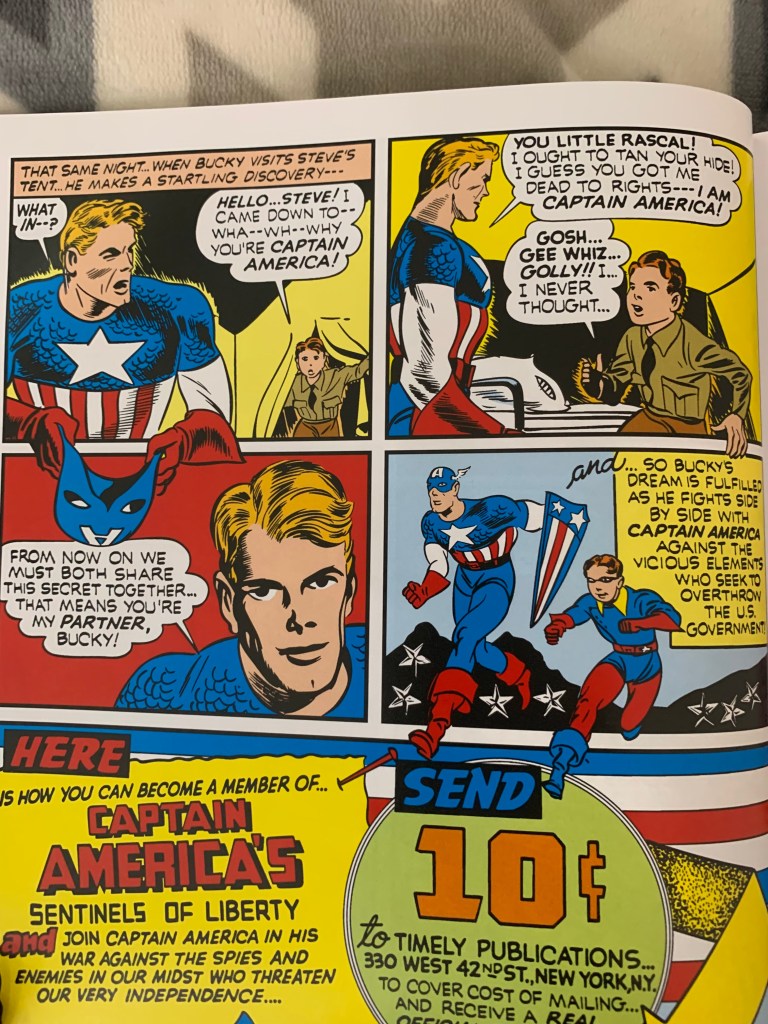
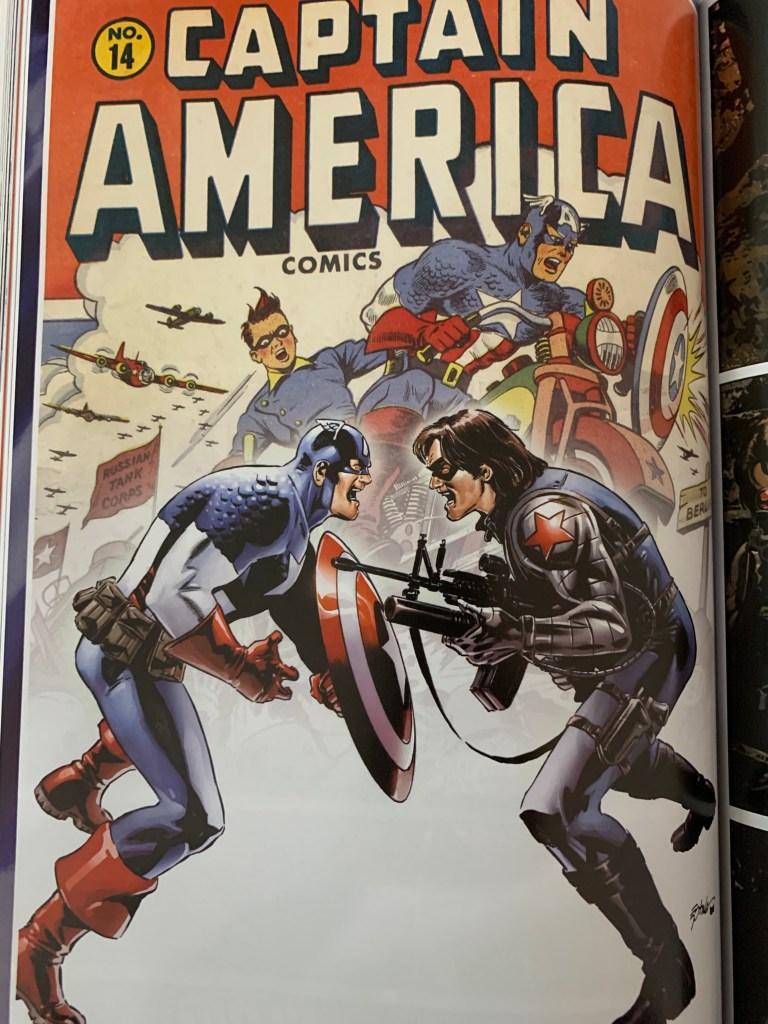
Legacy characters are one of the few times where I feel that a comic book genuinely benefits from long continuity. The only reason that it mattered when Dick went out on his own with the Teen Titans (first as Robin then as Nightwing) was due to the years and years of being Batman’s sidekick. It was a believable and all too-human reaction that Dick would want to stretch his wings and expand his horizons. It made it feel that all of those years of reading comics mattered – they all lead up to this moment. Another wonderful legacy character is Bucky from Captain America comics. Originally presented as the ‘child sidekick’ (similar to Robin), Bucky was absent from Marvel Comics of the 60’s when Captain America was reintroduced. Sure, he showed up in the Roy Thomas Invaders comics of the 70’s, but those were out of continuity love letters to the 40’s. It was not until the mid 2000’s with Ed Brubaker’s Captain America run where it was retconned that Bucky did not die in the original 40’s run, but has been an agent of the USSR for the last several decades against his will. The character of Winter Soldier, unlike Nightwing, is not a new superhero alias for the same character – it is effectively a new character that is benefitted by the history behind the scenes. You did not have to have read the golden age captain America stories to feel for Steve during the plot twist, but it does enhance the weight of the reveal if you had.
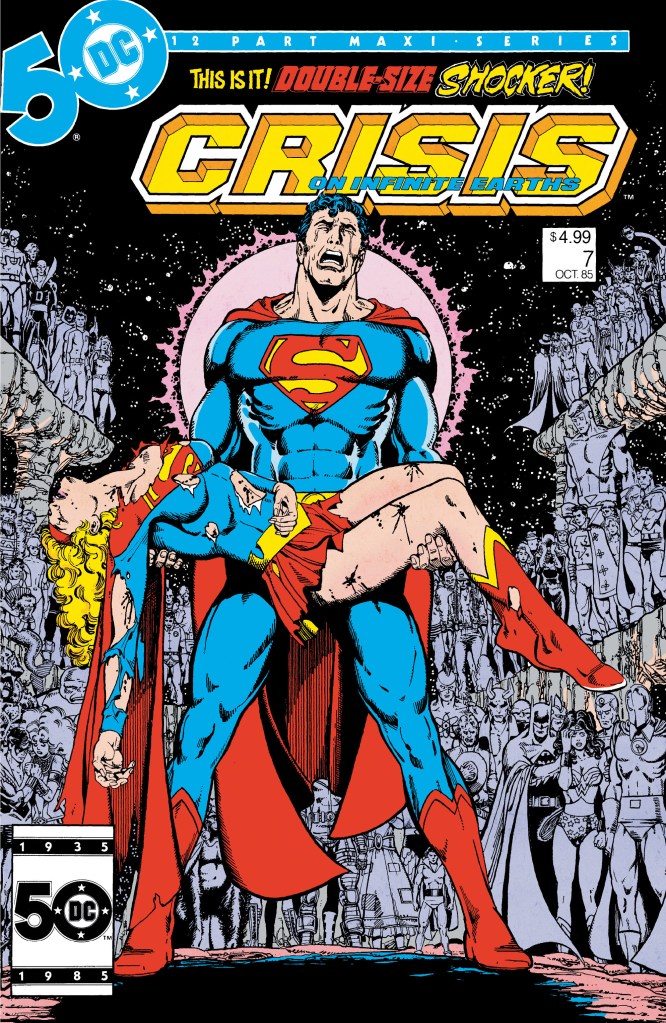
An interesting effect of long continuity is the necessity to ‘shelf’ a character to create a new one for the current time. DC does this significantly more often than marvel, and one of my favorite examples of this is that of Alan Scott, the original Green Lantern. When DC made the decision to moonlight Alan Scott in favor of Hal Jordan in 1959 it was more or less an excuse to drastically change the character without messing with the fan’s attachments to Alan himself. Hal had a more fleshed out backstory, a different supporting cast, and a more consistent power. This combined to create a DC comics in which Alan was not really needed. However, in the years after Crisis on Infinite Earths Scott was given a more fleshed out family with super powered children in the form of Shade and Jade, and, after Zero Hour, a new caveat to his powers. He no longer needed a green lantern ring to use his powers due to the effects of prolonged use and his powers took on a more flame-like appearance. Unlike Dick Grayson who became an adult and carved out his own niche in the Batfamily, Alan Scott became less powerful over the years losing his connected to the Green Lantern Corps, but becoming his own separate hero. In fact, there would continue to be iterations of ‘Green Lanterns’ to the point that I cannot keep them all straight anymore, but shows what different people do with similar power and how it changes them (or does not!). Alan Scott continues to get more and more backstory, further defining his role in the greater DC landscape.
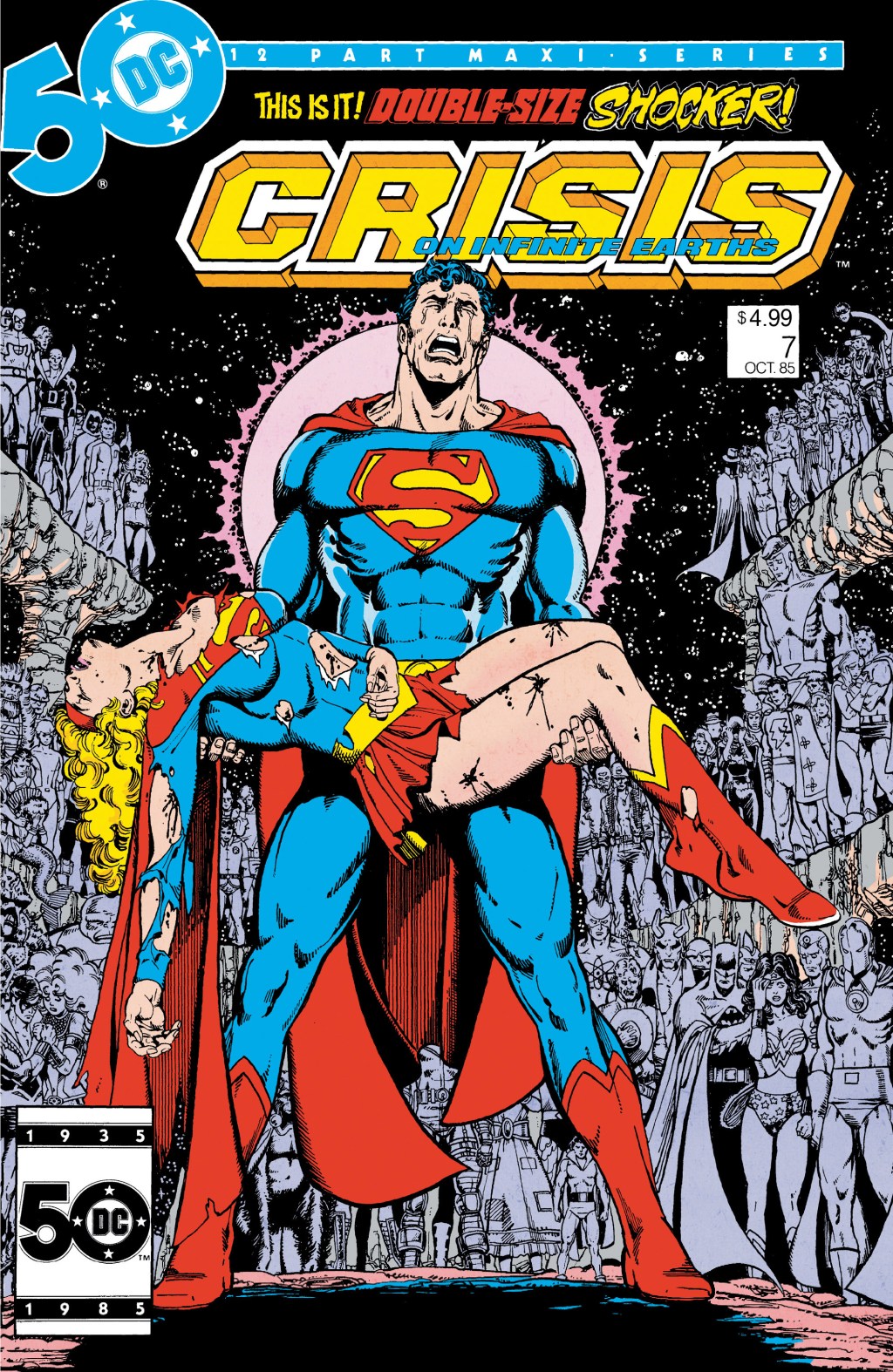
Lastly, I would be remise if I did not mention the ultimate form of permanent change in comic book characters – death. There is a commonly held belief that everyone who dies in comic books eventually comes back – and they are correct 99% of the time. I can name off the top of my head dozens of comic book ‘deaths’ that get whisked away just 6 issues later when a new writer takes over the book. Superman, Batman, Spider-Man, Punisher, Green Goblin, the list goes on and on. But, there are a select few characters that, seemingly, are dead forever. Most times these characters never really existed in the story – characters like Thomas and Martha Wayne, or Battlin’ Jack Murdock – characters that are integral to their respective origin stories and are used to fuel the heroes journey, but rarer still are those that we grow to love and are ripped from not only our heroes lives, but ours as well. Gwen Stacy, Karen Page, Alfred Pennyworth, among a few others, have been dead in comics for years, through several reboots and retcons. I can understand the hesitation to permanently remove a character that readers and creators alike have grown to love and care about, but ultimately death is a constant in real life and gives consequence within stories. I have a sneaking suspicion that the reason certain characters never age is due to the age of their supporting cast – Peter Parker can’t become a father with kids and hang up the mantle of spider-man because Aunt May’s age would have to be over 100 at that point. Just look at how muddy the timeline is in New-52 Batman in order to allow Bruce to be in his 30’s while still having adopted children and a biological son all in their teens.
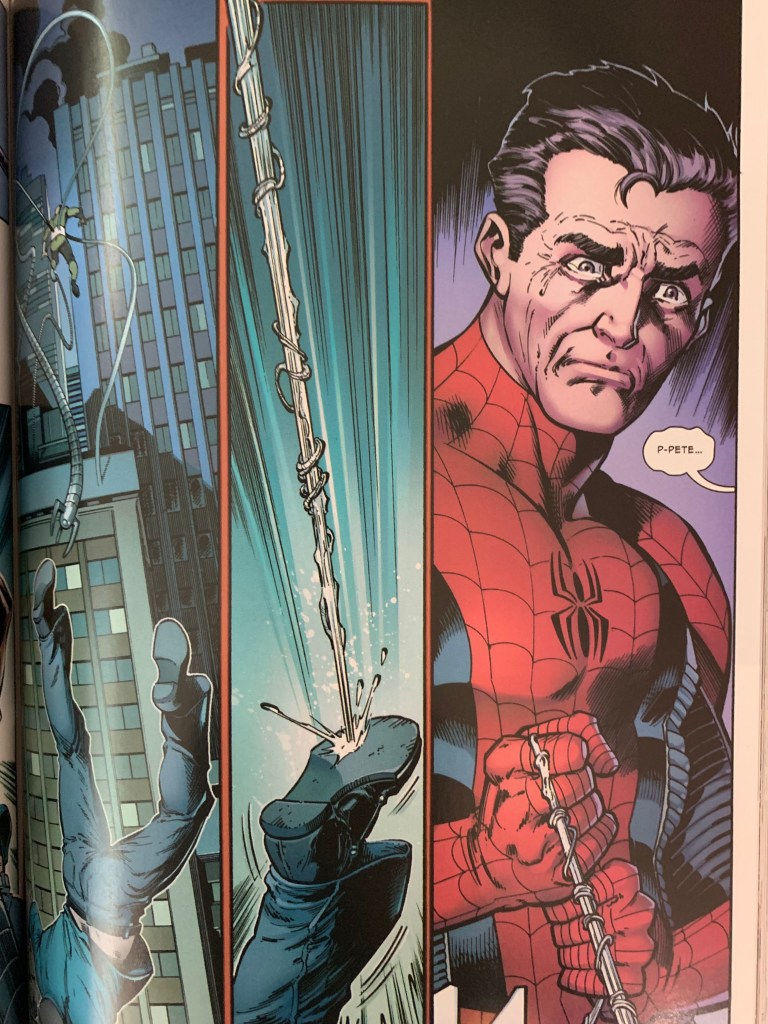
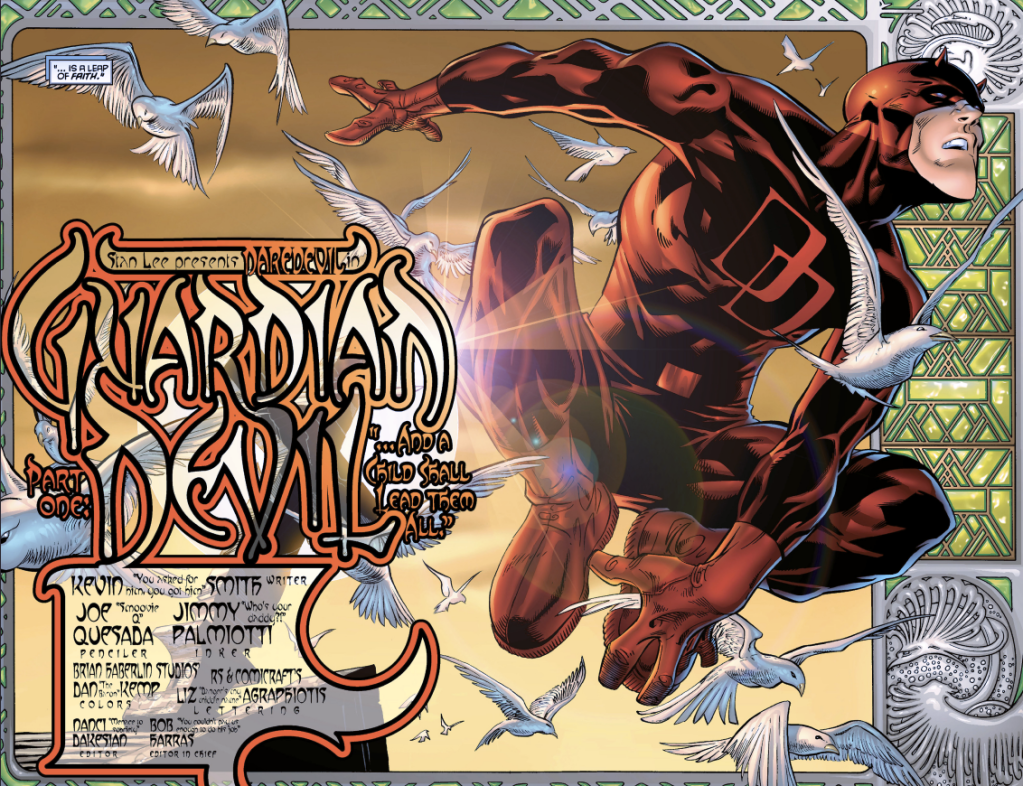
Circling all the way back to the title of the article, I’d like to answer the question – “What’s even the point, man?” Why do we read comic books when, more often than not, nothing substantial happens? Daredevil will eventually triumph over Kingpin. Batman will stop the joker from poisoning the water supply. But what if…? I would argue that the story is not the point. We don’t read comics every month to check in on the story and see if good will triumph over evil – we check in to see how our favorite characters are doing. It sounds weird – these characters aren’t real – but after decades of time spent in the world of comic books, we crave reward. When Luke Cage became mayor of New York, we cheered. When Spider-Man got to marry MJ and have children in Ultimate Spider-Man, we cried happy tears. When Bane killed Alfred in front of Damien, we swore revenge. To quote Brandon Sanderson “Journey before destination.” We know how the story ends – its what happens in the middle that we read for. Those semi-permanent changes in the status quo that redraw the power-scale.
Thank you for reading this far, I appreciate you all. Let me know your favorite status quo change in comics below.
 Vying For Time
Leave a comment